
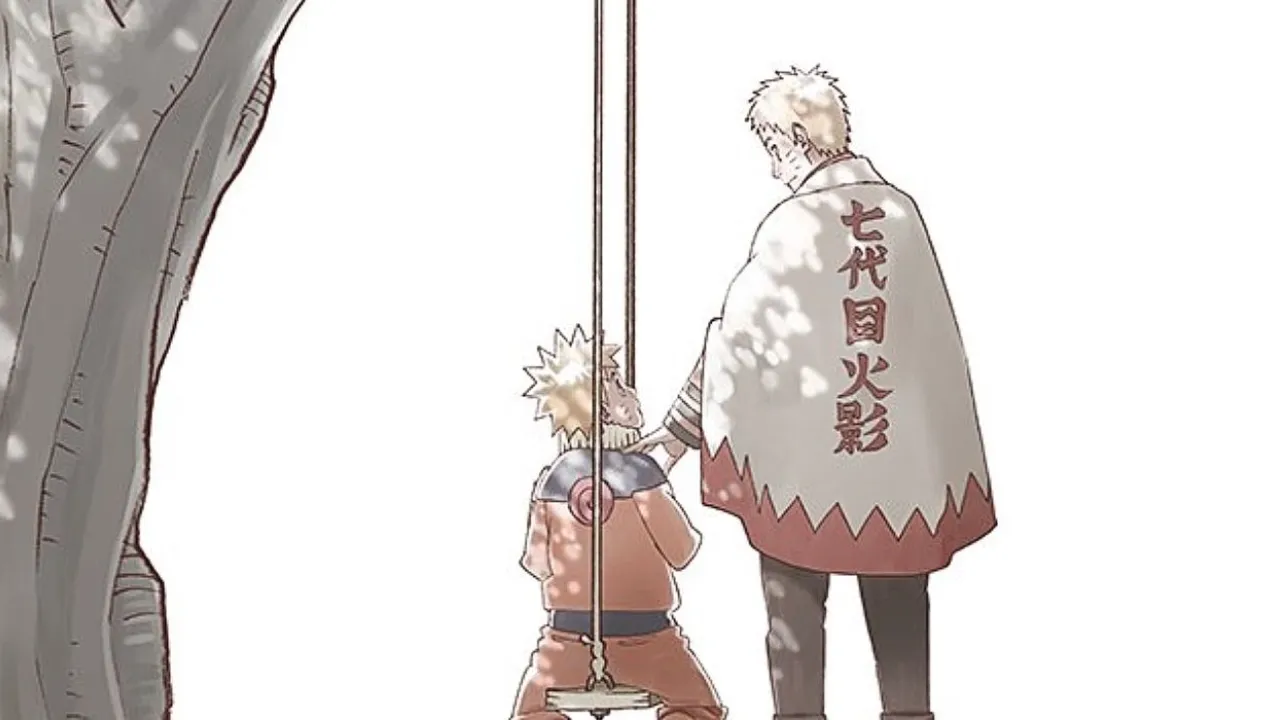
Few anime have left as indelible a mark on global pop culture as Naruto. When it first aired in 2002, few could have predicted that the story of a loud-mouthed, orange-clad ninja would become one of the best-selling manga and most-watched anime series of all time. But behind the ninjutsu battles and tear-jerking moments lies a creative journey that began in the mind of a small-town manga artist with a dream. For newcomers eager to understand what makes Naruto so special, a look at its origins, evolution, and the man behind it all is essential.
The Creator: Masashi Kishimoto and the Birth of a Ninja World
Masashi Kishimoto was born on November 8, 1974, in Okayama Prefecture, Japan. Growing up in a rural town, he found solace in manga and anime, especially Akira Toriyama’s Dragon Ball, which would heavily influence his own storytelling style. Kishimoto’s twin brother, Seishi Kishimoto, also became a manga artist, and the two often drew together, spurring a friendly rivalry.
Kishimoto’s road to success wasn’t instant. After high school, he attended art college, but his early attempts at serialization were rejected. One of his first one-shots, Karakuri, caught some attention, but it was his 1997 one-shot Naruto—published in Akamaru Jump—that laid the groundwork. This early version featured a boy who was actually a fox demon transformed into a human, a concept he later refined. The positive response encouraged him to develop the idea further for Weekly Shōnen Jump, Japan’s most competitive manga magazine.
From One-Shot to Serialization: The Manga Takes Off
In November 1999, Naruto debuted in Weekly Shōnen Jump’s 43rd issue. The story followed Naruto Uzumaki, a young ninja ostracized by his village because he unknowingly carries the Nine-Tails Fox demon sealed within him. Naruto’s dream? To become Hokage, the leader of his village, and earn everyone’s respect. The early chapters balanced heartfelt drama with explosive ninja action, introducing iconic characters like Sasuke Uchiha, Sakura Haruno, and their teacher Kakashi Hatake.
The manga’s “Land of Waves” arc was a crucial turning point. It went beyond simple school missions into a darker, more complex narrative about the harsh realities of the shinobi world. The death of Haku and Zabuza revealed that even enemies could be sympathetic, a theme that became a hallmark of Kishimoto’s writing. Readers responded, and Naruto quickly became one of Shōnen Jump’s biggest hits, selling millions of copies and paving the way for an anime adaptation.
The Anime Adaptation: Bringing Konoha to Life
In October 2002, Studio Pierrot premiered the anime adaptation, directed by Hayato Date. The series closely followed the manga at first, but to avoid catching up too quickly, it introduced “filler” episodes—original content not found in Kishimoto’s work. While some filler arcs divided fan opinion, the anime succeeded in capturing the manga’s spirit. The voice acting, especially Junko Takeuchi’s energetic portrayal of Naruto in the Japanese version, became iconic. The opening themes like “R★O★C★K★S” and “Haruka Kanata” still evoke nostalgia today.
The anime’s first major arc, the Chūnin Exams, raised the stakes dramatically. It introduced a massive cast of rival ninjas from other villages and gave us unforgettable battles—Rock Lee vs. Gaara, anyone?—and the emotional gut-punch of Naruto’s fight with Neji, where he proved that hard work could defy destiny. The arc also planted seeds for Sasuke’s defection and the looming threat of Orochimaru, setting up the epic rescue missions that followed.
The Evolution into Shippuden: A Coming-of-Age Story
After two years of filler (a creative decision that allowed the manga to get ahead), Naruto returned in 2007 as Naruto Shippuden. The time skip transformed the characters: Naruto returned from training with Jiraiya taller and more mature, while Sasuke had fallen deeper into darkness under Orochimaru’s tutelage. The tone was noticeably darker, and the battles more strategic. The Akatsuki organization, previously mysterious villains, took center stage, each member posing a unique and deadly threat.
Shippuden’s narrative grew more intricate, weaving in the tragic histories of characters like Itachi Uchiha and Nagato. Pain’s assault on Konoha in the “Pain Arc” was a high point, confronting Naruto with the cycle of hatred and forcing him to find an answer beyond brute strength. As the series built toward the Fourth Great Ninja War, it embraced climactic revelations about the Sage of Six Paths and the origins of chakra, culminating in Naruto and Sasuke’s final, fateful clash.
Why Naruto Became a Global Phenomenon
Naruto’s appeal transcends language barriers because its core themes are universal: loneliness, the desire for acceptance, and the belief that one can change their destiny through perseverance. Naruto himself is the ultimate underdog; he fails constantly but never gives up. That message resonated with fans who saw their own struggles reflected in his journey. Kishimoto’s character development, blending humor with genuine pathos, created a world that felt lived-in and characters who felt like old friends.
The anime’s spread was fueled by the early 2000s’ growing internet culture and the rise of fansubs. By the time it aired on Western networks like Cartoon Network’s Toonami block, a dedicated fandom was already in place. The release of games like the Naruto: Ultimate Ninja Storm series further expanded its reach, allowing players to experience cinematic recreations of key battles. Even now, years after the manga’s conclusion in 2014 and the anime’s end in 2017, Naruto’s legacy endures through the sequel series Boruto: Naruto Next Generations, which follows Naruto’s son.
For anyone new to anime, Naruto is more than just a story about ninjas. It’s a 15-year journey of growth, friendship, and redemption. Whether you start with the manga or dive into the anime—filler and all—there’s a reason it’s called one of the “Big Three” of anime. Believe it!