
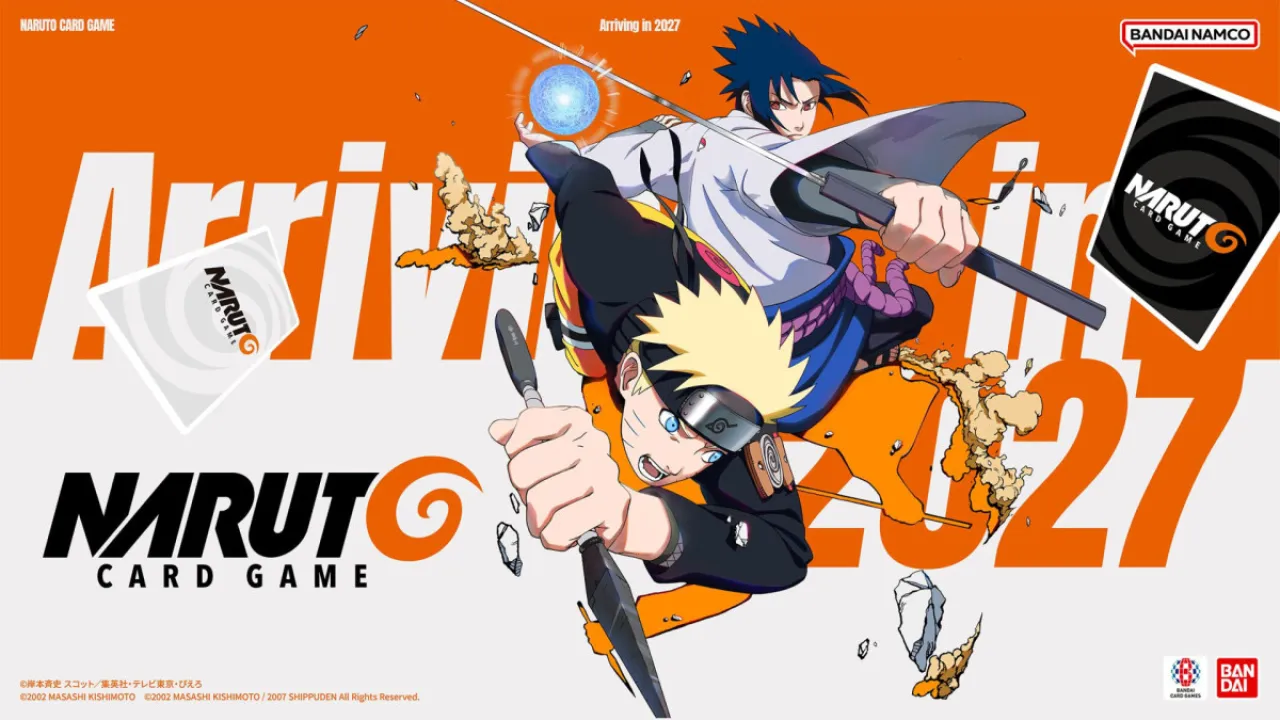
The world of anime trading card games is vast, but few capture the essence of their source material as perfectly as the Naruto Bandai Card Game. For shinobi fans, it wasn't just about collecting cards — it was about reliving the gritty, emotionally charged battles of the Hidden Leaf Village. Even years after its official printing ceased, this TCG continues to hold a special place in the hearts of collectors and competitive players alike. Let’s dive into what made this game a cult classic and why its legacy endures.
The Origins of the Naruto Bandai Trading Card Game
Launched in 2006 by Bandai America, the Naruto CCG (Collectible Card Game) arrived at the peak of the anime's Western popularity. With the series airing on Cartoon Network and manga sales soaring, the card game offered fans a new way to engage with their favorite characters. Unlike many licensed cash-grabs, Bandai poured genuine strategic depth into the game, creating a system that mirrored the tactical teamwork and explosive jutsu combos of the series.
The game's core set, Curse of the Sand, introduced players to the basics: building a deck of ninjas, missions, and attacks. Subsequent expansions like Revenge and Rebirth and Will of Fire deepened the meta with new teams and mechanics, keeping fans hooked for over seven years.
Gameplay Mechanics That Made You Feel Like a Ninja
At its heart, the Naruto Bandai TCG was a team-based battle game. Players formed a squad of ninjas from their deck, each with unique abilities and chakra costs. The battlefield was divided into a "Front" and "Deployment" area, allowing for tactical positioning. A typical turn involved drawing, deploying ninjas, playing missions and jutsus, and then engaging in combat where teams clashed in explosive showdowns.
What set it apart from other TCGs was the chakra system. Instead of mana or energy, cards were played by paying their chakra cost — often requiring you to discard other cards from hand to generate the necessary power. This created a resource management tension that perfectly mirrored the anime’s theme of sacrifice and determination. The Team mechanic also stood out: multiple ninjas could attack together, combining their stats and triggering synergistic effects, encouraging players to build theme decks around characters like the Rookie Nine or the Akatsuki.
"Every duel felt like an episode of the anime — unpredictable, strategic, and full of ninja spirit."
Moreover, the game incorporated Mission cards that acted like ongoing plot twists, rewarding players for completing objectives or disrupting their opponent’s plans. The bluffing element of face-down Jutsu cards kept every match tense until the final hand.
Collecting the Hidden Leaf’s Finest Cards
For many, the chase was just as thrilling as the gameplay. The Naruto Bandai game had a classic rarity system: Common, Uncommon, Rare, and Super Rare, with additional Secret Rare or Promo cards from events and starter decks. The artwork was a major draw — cards featured a mix of crisp anime screenshots and exclusive original illustrations by Bandai artists. Some holographic foil treatments made the most powerful cards literally shine.
Grail cards like Naruto Uzumaki [Nine-Tails Chakra], Sasuke Uchiha [Curse Mark], or the terrifyingly powerful Itachi Uchiha [Mangekyo Sharingan] remain highly sought-after by collectors today. Pulling one from a booster pack was a rite of passage that defined many a childhood. The social aspect of trading with friends and building that perfect deck mirrored the bonds of Team 7.
The Community and Competitive Legacy
Although Bandai discontinued the game around 2013, the community refused to let it fade. Dedicated fans have kept the flame alive through online simulators like Untap.in and LackeyCCG, where custom rules and balance patches keep the meta fresh. Discord servers and Facebook groups still host casual tournaments and deck-building discussions. For a "dead" game, it shows remarkable vitality — a testament to its solid design.
At the height of its popularity, the game had regional and national tournaments, with championship events at major anime conventions. The competitive scene, though smaller than giants like Magic: The Gathering, was fiercely passionate. Today, finding mint-condition sealed product is a challenge, with booster boxes fetching premium prices on the secondary market.
How the Naruto Bandai TCG Compares to Modern Card Games
In hindsight, the Naruto TCG was ahead of its time. Modern hits like the Dragon Ball Super Card Game or the One Piece Card Game owe a debt to Bandai's earlier experiments. The tag-team combat and resource discarding can be seen echoed in games like Flesh and Blood. While it lacked the refined balance of a top-tier competitive game, its thematic immersion remains unmatched. No other TCG made you feel as much like a ninja leader orchestrating a strategic assault.
The game's influence also extends to the current wave of anime crossover TCGs, proving that the fusion of deep strategy and beloved IP is a winning formula.
Is There a Future for Naruto Card Games?
With the Boruto series continuing the saga and a new generation of fans discovering the original Naruto on streaming platforms, the demand for a new card game is palpable. Bandai itself has found massive success with the Digimon Card Game and One Piece TCG, showing they still have the expertise to craft compelling card games. Rumors of a Naruto reboot or a digital adaptation occasionally surface in fan circles, though nothing official has been announced.
Until that day comes, the original Bandai Naruto TCG remains a cherished artifact of a golden era. Whether you’re dusting off your old deck or discovering it for the first time, the game offers a unique blend of nostalgia and ninja warfare that no other card game quite replicates.
For fans old and new, the Naruto Bandai card game is more than cardboard—it’s a piece of the Hidden Leaf’s soul. Its strategic depth, gorgeous artwork, and enduring community prove that some jutsu never truly fade away.