
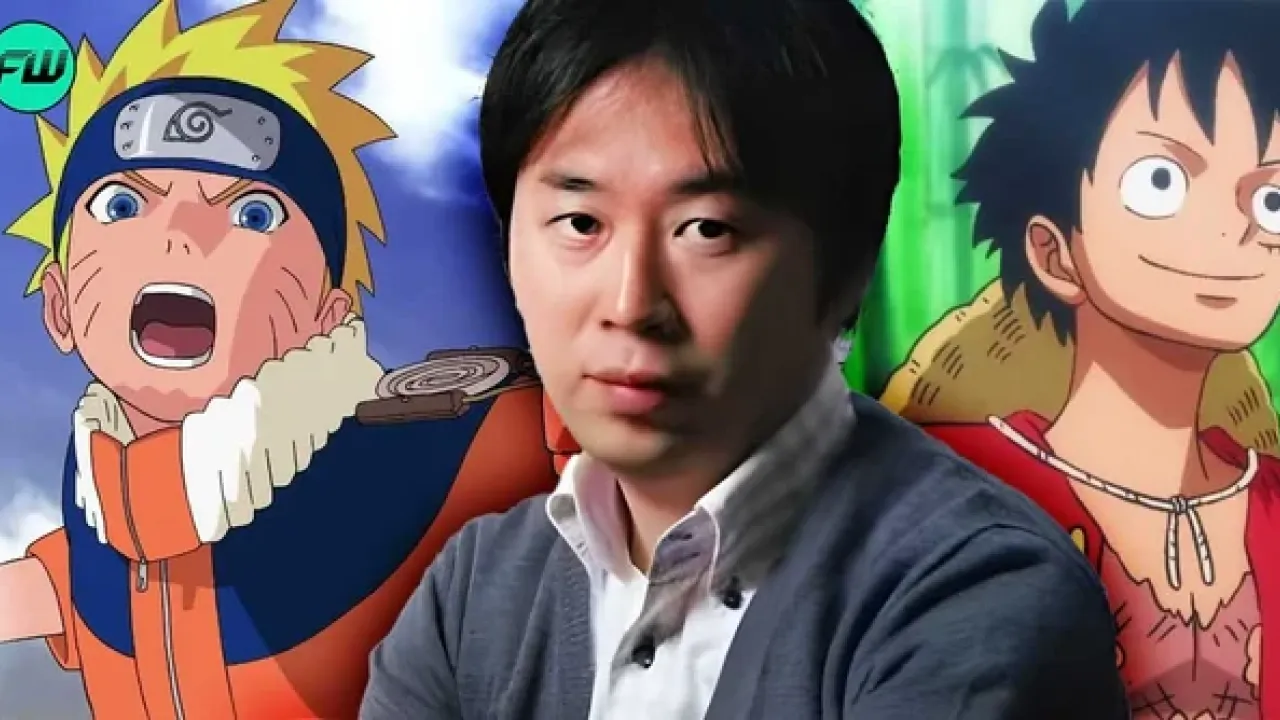
For millions of fans around the globe, the name "Naruto" evokes memories of ninja battles, heartfelt friendships, and an indomitable underdog spirit. Behind this cultural juggernaut stands a man whose own early life mirrored the very themes he would later pour into his work: rejection, perseverance, and an unyielding dream. Masashi Kishimoto’s path from a quiet countryside to becoming one of the most celebrated manga artists of all time is a story that deserves its own spotlight.
Roots in Rural Japan: Family and Early Inspiration
Masashi Kishimoto was born on November 8, 1974, in Nagi, a small town in Okayama Prefecture. As the older twin brother of Seishi Kishimoto—who would also become a manga artist, known for works like 666 Satan and Blazer Drive—creativity was woven into his upbringing. Their father, while strict, recognized their artistic inclinations and encouraged them to pursue their talents with discipline. Growing up in the countryside, Kishimoto found the vast, open landscapes and close-knit community a fertile ground for his imagination, even as he dreamt of far larger worlds.
It was in elementary school that the spark ignited. A classmate introduced him to Akira Toriyama’s Dr. Slump, and later Dragon Ball. The moment he laid eyes on Goku’s adventures, something clicked. “I wanted to be like Toriyama-sensei,” Kishimoto would later recall in interviews. That energetic, never-give-up hero planted the seed that would eventually bloom into Naruto Uzumaki.
Formative Influences: Dragon Ball, Akira, and Ghibli
Dragon Ball wasn't just a fleeting obsession—it became the blueprint for the kind of stories Kishimoto wanted to tell. The dynamic paneling, the sense of boundless adventure, and the charismatic protagonist left an indelible mark. As he entered junior high school, his horizons expanded further. He dove into the burgeoning otaku culture, devouring anime films that pushed the boundaries of animation. Katsuhiro Otomo’s Akira and the works of Studio Ghibli, like Nausicaä of the Valley of the Wind and Laputa: Castle in the Sky, showed him that animation and manga could tackle deep themes, atmospheric storytelling, and emotional resonance.
Those influences layered Kishimoto’s developing style. From Toriyama, he absorbed the art of joyful, kinetic action; from the darker, grittier narratives, he learned that heroes could be flawed and worlds could be morally complex—a balance that would become a hallmark of Naruto’s shinobi universe.
The Pain of Rejection: Early Setbacks and Relentless Practice
Contrary to the myth of overnight success, Kishimoto’s early career was littered with setbacks. His initial submissions to manga competitions were met with harsh criticism. Editors found his art unpolished and his stories derivative. For a teenager dreaming of making it big, those rejections stung. But rather than give up, Kishimoto doubled down. He spent countless hours copying panels from his favorite manga, dissecting compositions and linework. He filled sketchbooks with original characters and short stories, each one a small improvement over the last.
There was no shortcut. It was a trial-by-fire that he later acknowledged as the crucible that forged his resilience. His twin brother Seishi, facing similar challenges, became both a rival and a support system. The two pushed each other, their shared ambition turning a rural home into an informal studio of relentless creativity. This phase of trial and error, though painful, transformed a raw talent into a disciplined craftsman ready to face the manga industry’s demands.
Forging a Path: How Adversity Shaped Naruto’s Core Themes
It’s impossible to look at Naruto and not see the echoes of Kishimoto’s own journey. The protagonist, Naruto Uzumaki, starts as a lonely outcast, ridiculed and dismissed by his village. He isn’t born with extraordinary talent—he fails the graduation exam multiple times, just as Kishimoto faced rejection letters. But through stubborn perseverance and the bonds he forms, Naruto eventually earns the respect of the entire ninja world. That core message—that hard work can overcome any obstacle—rings so true precisely because Kishimoto lived it.
The manga industry often celebrates prodigies, but Kishimoto’s story is a testament to the power of growth. His art, once called unrefined, evolved into a distinctive style marked by expressive character designs and fluid action sequences. Naruto’s world itself, with its blend of traditional Japanese aesthetics and modern sensibilities, reflects the layered influences of his youth—the rural landscapes of Okayama meeting the sci-fi and fantasy elements he loved in anime.
Conclusion: The Legacy of a Relentless Dreamer
Masashi Kishimoto’s rise from a small-town kid doodling in notebooks to the creator of a global franchise is more than a success story; it’s a masterclass in resilience. Every rejection, every moment of doubt, became fuel for the stories he would eventually tell. Today, Naruto has sold over 250 million copies worldwide, and its themes continue to inspire fans of all ages. For aspiring creators, Kishimoto’s path reminds us that the road to greatness is rarely straight, but it’s always worth walking—one page, one panel at a time.