
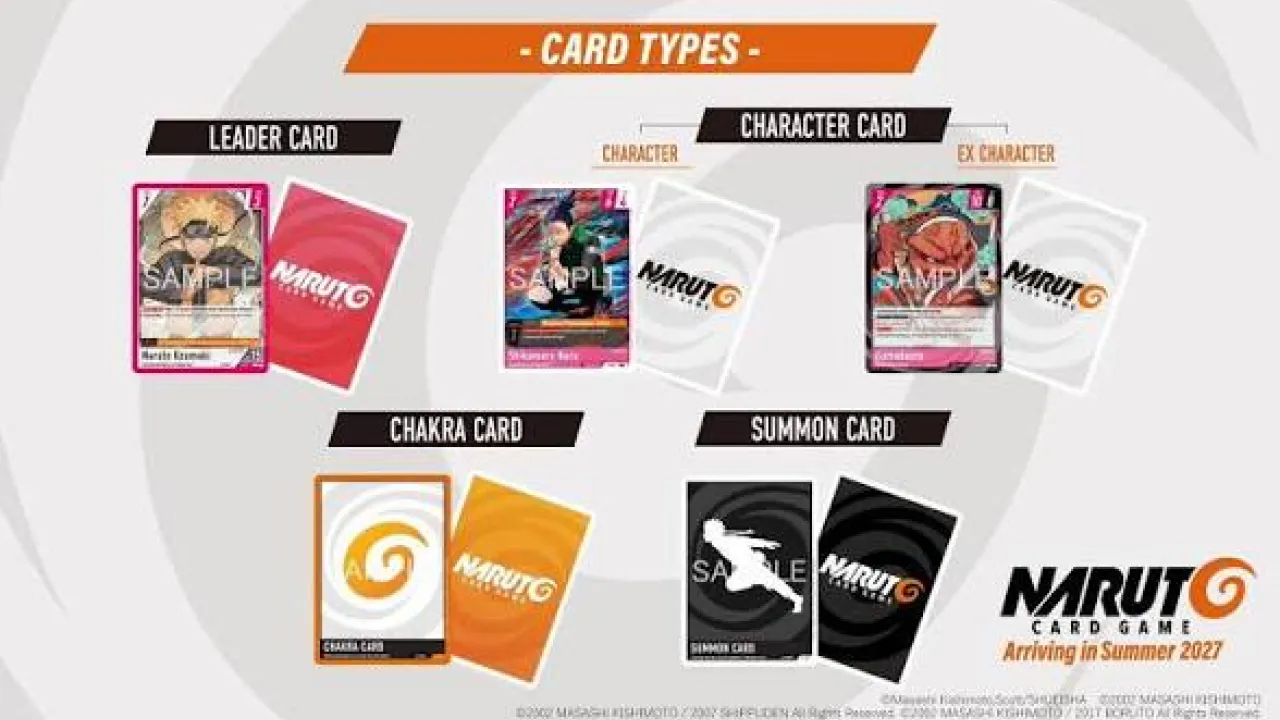
The ninja world has once again taken the collectible scene by storm. Across social media, fans are buzzing about the latest Naruto Bandai card reveals — shiny new artworks, elusive rare pulls, and the thrill of opening a fresh booster pack. Whether you’re a seasoned collector or a newcomer drawn in by viral unboxing videos, the Naruto trading card game (TCG) by Bandai is an exciting fusion of nostalgia, strategy, and sheer visual spectacle.
In this guide, we’ll break down everything you need to know: the different card types that bring the ninja battles to life, the rarity system that keeps collectors hunting, and how to stay on top of new releases as they drop. By the end, you’ll understand why these cards are dominating anime fan communities and social feeds alike.
The Rise of Naruto Bandai Cards
Bandai’s involvement with Naruto card games stretches back to the early 2000s, but the modern era — often associated with series like Naruto Kayou — has reinvigorated the hobby with premium designs, holographic finishes, and deep gameplay mechanics. The cards feature iconic characters from across the Naruto and Boruto sagas, rendered in a dynamic anime art style that leaps off the cardboard. Social media platforms like Instagram, TikTok, and YouTube are flooded with collectors showcasing their latest pulls, trading tips, and speculating on upcoming set releases.
The appeal is twofold: nostalgia for long-time fans who grew up with the series, and a new generation discovering the story through beautifully illustrated cards. Each expansion adds layers of collectibility, often tying into specific arcs or legendary battles, which fuels both casual collecting and competitive deck-building.
Understanding the Card Types
At the heart of the Naruto Bandai TCG is a variety of card types that mirror the ninja world’s complexity. Knowing them is essential whether you’re building a deck or simply chasing your favorite characters.
Ninja Cards (Character Cards)
These are the backbone of any collection. Each Ninja Card features a character — from Naruto Uzumaki and Sasuke Uchiha to lesser-known shinobi — with stats like attack power, defense, and special abilities. Some are basic versions, while others represent specific moments or power-ups, such as Sage Mode Naruto or Mangekyō Sharingan Sasuke. The artwork often captures a signature jutsu, making them visually stunning.
Jutsu Cards
Ninjas need their techniques, and Jutsu Cards are the game’s spell equivalents. Cards like Rasengan, Chidori, and Shadow Clone Jutsu provide offensive or defensive effects during play. In collecting, rare jutsu cards with foil treatments are highly sought after — especially when they depict a dramatic, anime-screen-capture-style image.
Mission Cards
Drawing from the team-based lore, Mission Cards represent objectives or plot-driven events that can alter the flow of a match. They might reference critical story moments, like Retrieve Sasuke! or Protect the Village, adding a layer of narrative strategy to gameplay. These cards often feature group shots or scenery, appealing to fans of the series’ world-building.
Support and Special Cards
Beyond the main types, there are Support Cards that boost your characters, Deck Leader Cards that define your starting strategy, and limited-edition promotional cards given out at events or included in special products. These rarities often become the crown jewels of a collection, with online communities trading and celebrating them passionately.
Rarity Tiers That Drive the Hunt
What makes cracking open a booster pack so addictive? The thrill of the chase is embedded in a tiered rarity system. While exact names may vary between sets, typical tiers include:
- Common (C): The most abundant cards, often featuring basic versions of characters or standard jutsu. Perfect for building a starter deck.
- Uncommon (UC): A step up, with slightly more polished art and more useful gameplay effects.
- Rare (R): Cards that start to pop — literally. Rare cards usually feature holographic elements and depict fan-favorite characters in mid-action.
- Super Rare (SR): Striking foil designs, often with textured patterns and iconic scenes. Pulling an SR is a moment worth sharing on social media.
- Ultra Rare (UR): The grail. These cards are heavily embellished, sometimes with gold accents, alternate art, or even serialized elements. They are the centerpiece of any collection and can be valued highly among enthusiasts.
Some special sets introduce even more exclusive categories, like Special Parallel Rares or Secret Rares, each pushing the envelope on design. The community’s real-time reactions — from live pack openings to honest flops — are a staple of anime collectibles culture online.
How to Stay Updated on New Releases
Given the viral nature of these drops, social media is your best ally. Official Bandai accounts on Twitter, Facebook, and Instagram often tease upcoming sets with countdowns and artwork previews. Influencer collectors and niche news accounts frequently break the news first, sharing images of newly released cards and booster pack configurations.
For the latest “novik” — a term sometimes playfully used in Czech Naruto fan circles for new releases — tracking hashtags like #NarutoKayou or #NarutoBandaiCards can lead you to fresh content. YouTube unboxing channels and TikTok short clips are goldmines for seeing cards in hand before you buy. Additionally, dedicated forums and Reddit threads compile release schedules, rarity guides, and trading opportunities.
Remember that official Bandai stores, licensed hobby shops, and online retailers are the primary distributors. Limited drops and pre-orders sell out fast, so joining community groups can give you early alerts and even direct links to purchase. The hunt is part of the fun — and the community is welcoming, always ready to share their latest legendary pull.
Conclusion: More Than Just Cards
Naruto Bandai cards are not simply cardboard; they are a gateway to the ninja world’s enduring legacy. Each card tells a piece of the story — a clash of wills, a moment of growth, an epic battle. The blend of strategic TCG gameplay and collector-focused presentation has created a global phenomenon that bridges generations of fans.
So whether you’re chasing that elusive UR Kakashi or just want to hold a shiny Rasengan in your hand, dive into the community. Follow the buzz on social media, learn the sets, and embrace your inner shinobi. And who knows? Your next pack might just contain the card that sets your timeline ablaze.