
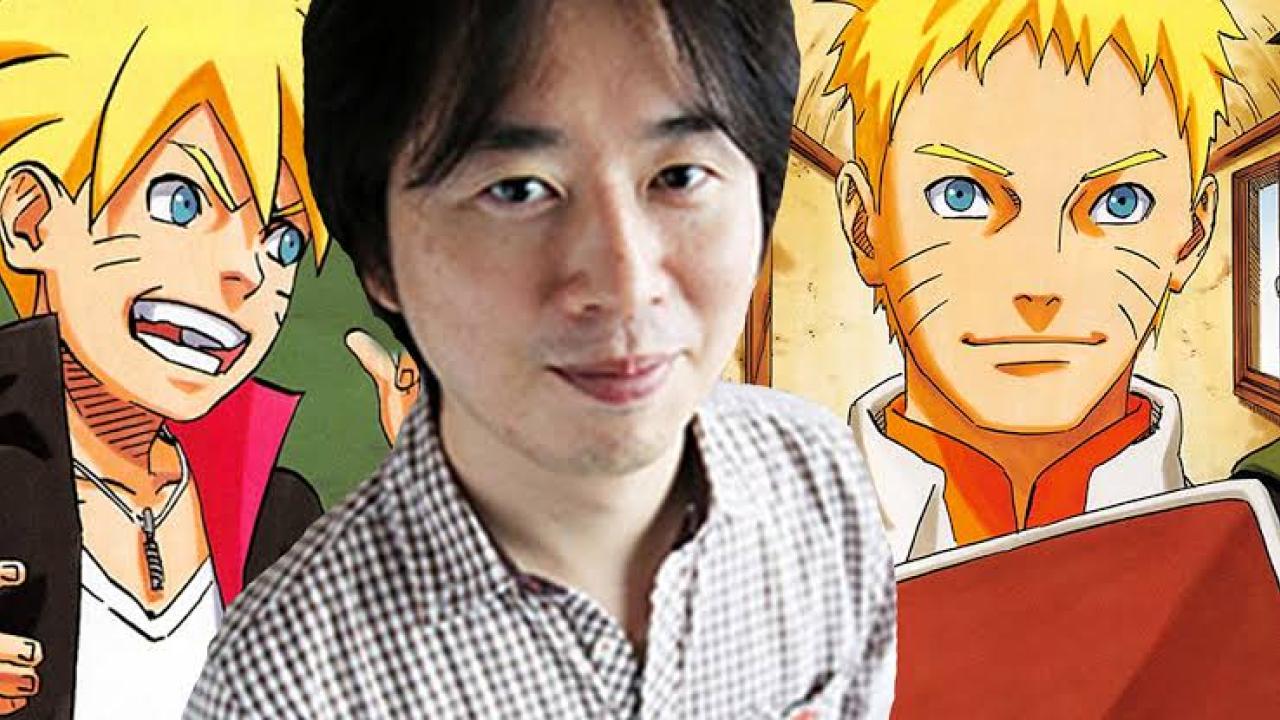
Masashi Kishimoto is a name synonymous with one of the most influential manga and anime series ever created—Naruto. From a small-town dreamer in rural Japan to a global manga icon, Kishimoto's journey is as compelling as the story he wrote. This article delves into his life, his inspirations, and the incredible dedication that brought the Hidden Leaf Village to the world.
Early Life and Inspirations
Born on November 8, 1974, in Nagi, Okayama Prefecture, Masashi Kishimoto grew up in a quiet countryside setting. As the older twin brother of Seishi Kishimoto (creator of 666 Satan and Blazer Drive), art and storytelling ran in the family. Their father’s strict yet supportive attitude pushed both brothers to pursue their passions seriously.
Kishimoto’s love for manga began in elementary school. He was captivated by Akira Toriyama’s Dr. Slump and later Dragon Ball, which he credits as his biggest influence. The energetic and adventurous spirit of Goku left a deep mark on him. In junior high, he discovered otaku culture and fell in love with anime films like Akira and Studio Ghibli’s works. These experiences shaped his desire to become a manga artist.
Unlike many prodigies, Kishimoto faced early rejections. His art style was initially criticized for being unrefined, and his storytelling was seen as derivative. Nevertheless, he persisted, honing his skills by copying his favorite manga panels and creating original short stories.
The Road to Serialization
After high school, Kishimoto attended Kyushu Sangyo University, where he studied graphic design. During college, he submitted his first one-shot, Karakuri, to Shueisha’s Hop Step Award and won an honorable mention in 1995. This gave him the confidence to pursue a professional career, but the path was far from smooth.
Post-graduation, he worked for a short time at a pachinko machine design company, but he quit after a few months to dedicate himself to manga. He moved to Tokyo and began working as an assistant for established artists, including Shinji Hiramatsu, creator of Angel Densetsu. These experiences taught him the discipline and craft of weekly manga serialization.
Kishimoto struggled to find a hit concept. His early drafts were rejected by editors for being too clichéd or lacking a strong hook. He experimented with various ideas, including a story about a boy chef and a manga about wizards. It wasn’t until he revisited his love for Japanese folklore and ninjas that the spark for Naruto ignited.
The Birth of Naruto
In 1997, Kishimoto published a one-shot version of Naruto in Akamaru Jump, which featured a mischievous boy with the power of a nine-tailed fox. Though different from the final series, the core elements—Naruto Uzumaki, a ramen shop, and the quest for recognition—were there. However, the one-shot was not an immediate success, and his editors urged him to refine the world-building and characters.
Kishimoto reworked the concept, drawing inspiration from his own childhood. He wove in themes of loneliness, rivalry, and the desire to be acknowledged. The character of Naruto mirrored his own feelings as a twin—always competing for attention. In September 1999, Naruto began serialization in Weekly Shōnen Jump. It ran for 15 years, spanning 700 chapters and 72 volumes, becoming one of the best-selling manga series in history, with over 250 million copies sold worldwide.
Personal Life and Creative Process
Despite his fame, Kishimoto has remained remarkably private about his personal life. He married in 2003 and has a son. He often jokes that his busy schedule made dating difficult, but his family became his anchor. In interviews, he admits that his younger self saw Naruto as an alter ego, but as he aged, he related more to the mature Iruka-sensei or the Fourth Hokage.
Kishimoto’s work ethic is legendary. During Naruto’s weekly serialization, he reportedly slept only 4–5 hours per night, drawing for up to 19 hours a day. He rarely took holidays, even after his honeymoon was cut short due to deadlines. His workflow involved a team of assistants, but he insisted on drawing every primary character face himself to maintain emotional consistency. He often listened to movie soundtracks—especially from The Matrix and Hollywood blockbusters—to fuel his imagination during late-night drawing sessions.
Fun facts: He is a massive dog lover, and his pet Shiba Inu often appears in author comments. He based Naruto’s obsession with ramen on his own college diet, as ramen was cheap and filling. The character of Might Guy was inspired by his own gym teacher, and the name “Kakashi” came from a scarecrow (kakashi in Japanese) because early drafts had a much darker design.
Post-Naruto and Legacy
After Naruto ended in 2014, Kishimoto took a short break before returning to oversee Boruto: Naruto Next Generations (initially written by Ukyō Kodachi). He also attempted a new sci-fi manga, Samurai 8: The Tale of Hachimaru, in 2019, but it was canceled after 43 chapters due to poor reception. Critics argued it lacked the emotional depth of Naruto, but Kishimoto acknowledged the need to evolve as a creator.
Kishimoto’s influence on pop culture is immeasurable. Naruto inspired a generation of artists, including Kohei Horikoshi (My Hero Academia) and Gege Akutami (Jujutsu Kaisen). The series’ themes of perseverance, friendship, and breaking cycles of hatred resonate globally. Kishimoto’s meticulous world-building, character design, and ability to blend action with philosophy set a standard for shōnen manga.
Conclusion
Masashi Kishimoto’s story is a testament to the power of passion and persistence. From a boy doodling in a rural town to a manga legend, he transformed his personal struggles into a universal tale of hope. Even today, his work continues to inspire millions, proving that the Will of Fire is more than a fictional concept—it’s the flame that drives all great creators.