
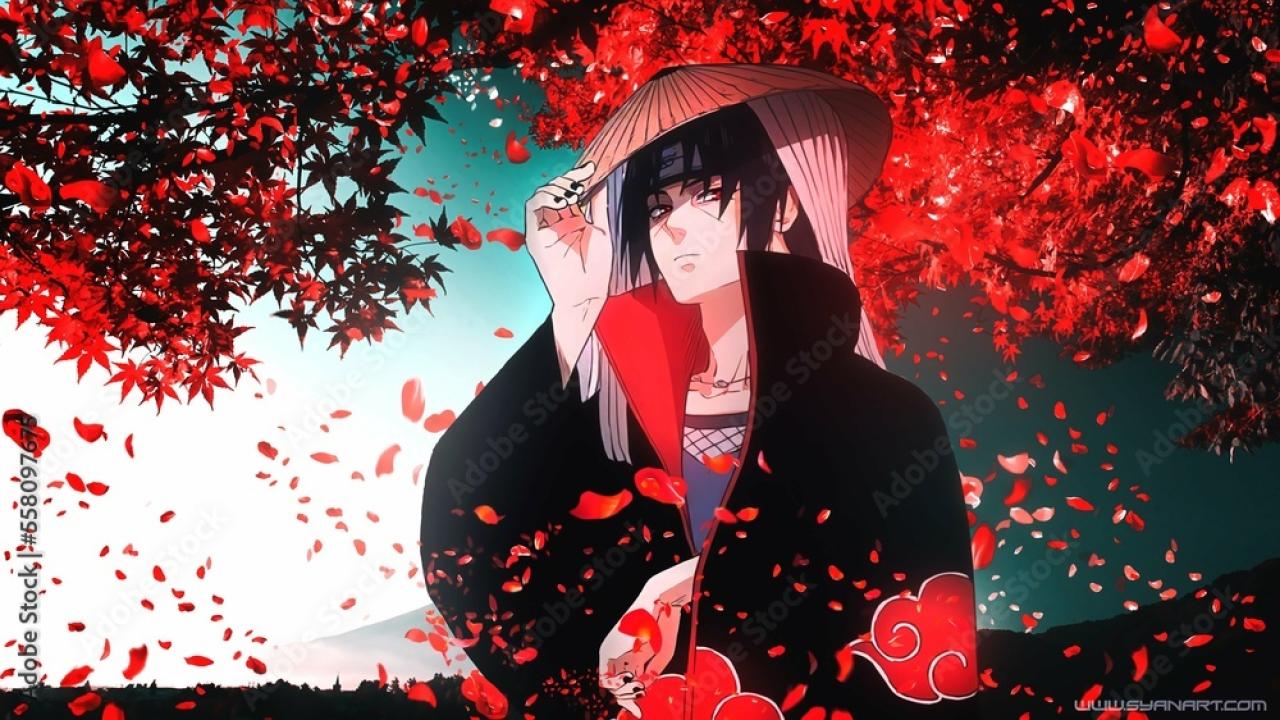
In the vast world of Naruto, few characters evoke as much mystery, tragedy, and reverence as Itachi Uchiha. Initially introduced as a cold-blooded villain who slaughtered his entire clan, Itachi's story gradually unfolds to reveal a far more complex and heartbreaking truth. He was not a monster, but a prodigy burdened with an impossible choice, a shadow protector who sacrificed everything for the sake of peace. In this article, we delve deep into the life of Itachi Uchiha—his incredible talents, the real reason behind the Uchiha massacre, his ultimate goals, and the power that made him a legend.
The Prodigy of the Uchiha Clan
From his earliest days, Itachi stood out as a genius without parallel. He graduated from the Academy at age 7, mastered the Sharingan at 8, became a chūnin at 10, and joined the Anbu Black Ops at just 11 years old. By 13, he was an Anbu captain—a meteoric rise that even the most talented shinobi could only dream of. His intellect was matched only by his combat prowess; he executed complex strategies with calm precision and wielded his clan's kekkei genkai with fluid mastery.
Yet Itachi was not merely a warrior. He was a philosopher who pondered the nature of life and conflict from a young age. Having witnessed the horrors of the Third Great Ninja War as a child, he deeply desired peace. This rare combination of strength and wisdom set him apart, but it also placed a heavy burden on his soul—one that would eventually lead him down a path of unspeakable sacrifice.
The Uchiha Clan Massacre: Unraveling the Truth
For years, the world believed that Itachi murdered the Uchiha clan simply to test his own power. The truth, however, was far more devastating. The Uchiha, marginalized by the village leadership after the Nine-Tails attack, had grown resentful and were plotting a coup d'état. The Konoha elders, led by Danzō Shimura, deemed the situation a grave threat to the village's stability. To prevent a full-scale civil war that could trigger another shinobi world war, Danzō approached the 13-year-old Itachi with a chilling ultimatum: either participate in the extermination of his clan, or stand by as the village—and possibly his younger brother Sasuke—was destroyed in the ensuing conflict.
Itachi, ever the stoic pragmatist, chose the former. He agreed to become the instrument of the Uchiha's annihilation on the condition that Sasuke be spared. In one tragic night, Itachi systematically eliminated every member of his clan—men, women, and even his own parents. He then framed himself as a power-hungry traitor, leaving Sasuke alive to fuel his brother's hatred and eventual vengeance. To the outside world, Itachi was a cold-blooded killer; in reality, he was a broken hero who sacrificed his reputation, his family, and his own happiness to protect the village and give his brother a purpose.
A Heartbreaking Sacrifice: Itachi's True Intentions
Itachi's actions were driven by a profound love for Sasuke and an unwavering loyalty to Konoha. He wanted Sasuke to become strong enough to survive and also to be seen as a hero who avenged the Uchiha clan. By dying at Sasuke's hands, Itachi intended to pass on his own Mangekyō Sharingan abilities to his brother and cleanse the Uchiha name, all while keeping the dark truth of the clan's rebellion hidden. His famous words, whispered in one of their final encounters, encapsulate his selfless nature: “No matter who you are, you do not truly know what kind of person you are until the very end.”
Even after death, Itachi continued to influence events. When he was reanimated during the Fourth Great Ninja War, he used the opportunity to free himself from the Reanimation Jutsu and help the Allied Shinobi Forces, ultimately confronting and stopping Kabuto's Edo Tensei army. In his final moments with Sasuke, he revealed the full truth and expressed his regret, but also his unconditional love: “I will love you always.” Itachi's entire life was a testament to the idea that a shinobi must endure, even when no one understands them.
Master of Mangekyō Sharingan: Itachi's Jutsu and Power
Itachi's combat abilities were nothing short of legendary. His Mangekyō Sharingan granted him access to three devastating techniques: Tsukuyomi, an unbreakable genjutsu that could torture its victim for what felt like days in mere seconds; Amaterasu, black flames that burned anything in their path until reduced to ash; and Susanoo, a towering ethereal warrior armed with the Sword of Totsuka and the Yata Mirror, supposedly invincible in battle. Itachi wielded these with surgical precision, often ending fights before they truly began.
Beyond his ocular powers, Itachi was a master of shurikenjutsu, shadow clones, and fire-style techniques, including the Fire Ball Jutsu. His genjutsu prowess was so refined that he could trap opponents with a mere finger point. Despite being terminally ill during his later years, he managed to outmaneuver and hold back against Sasuke, and he was one of the few shinobi who could consistently pressure legendary figures like Orochimaru and even Naruto Uzumaki. His strategic mind was arguably his greatest weapon; battles were like a game of shogi where he always moved several steps ahead.
The Legacy of a Silent Guardian
Itachi's legacy is one of quiet heroism and tragic irony. He died branded a villain, yet his actions saved countless lives and preserved the peace. Sasuke, initially consumed by revenge, eventually came to understand the depth of his brother's love and chose a different path—to protect the village Itachi cherished. Itachi's story resonates because it challenges black-and-white notions of good and evil; he lived in the gray, making decisions that no one should ever have to make. He remains a fan-favorite, not just for his cool demeanor and overwhelming power, but for the profound emotional weight of his journey.
In the end, Itachi Uchiha embodied the truest essence of a shinobi: one who endures in silence, protects from the shadows, and sacrifices everything without ever seeking recognition. As the Naruto series reminds us, a shinobi's worth is not measured by how he lives, but by what he leaves behind. And Itachi left behind a world where his brother could finally find peace.