
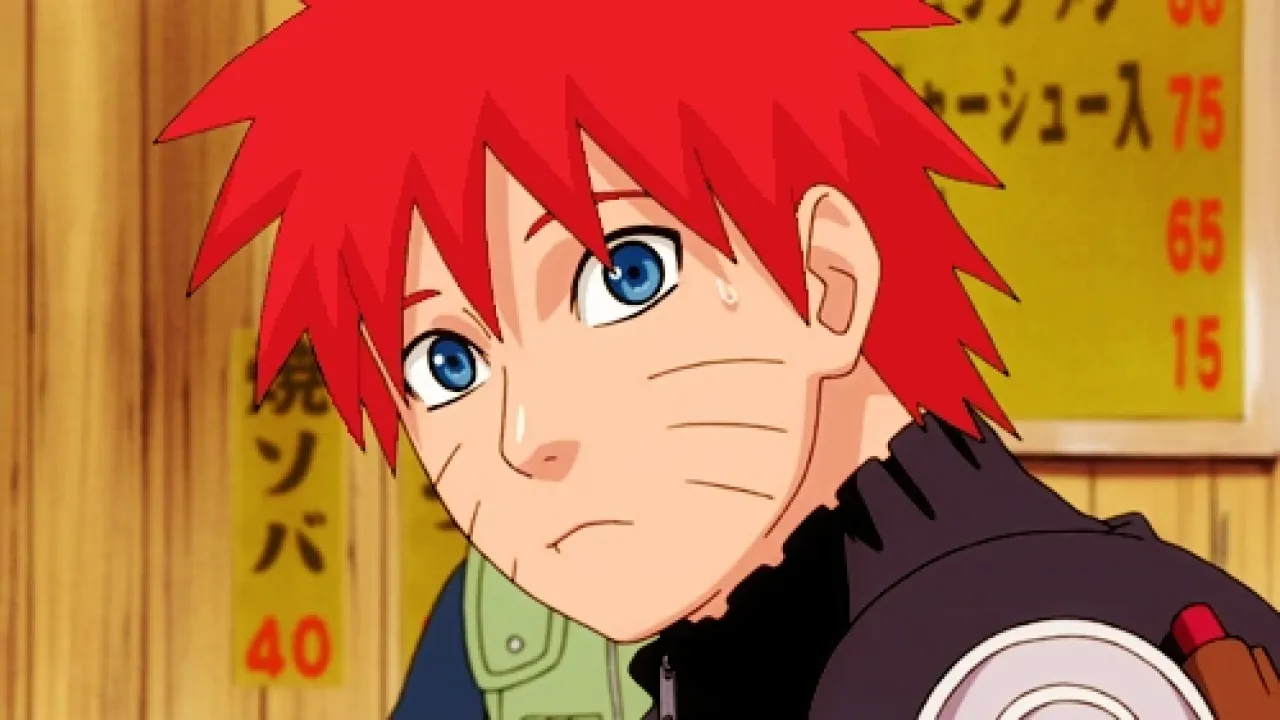
Picture the Seventh Hokage standing atop the Hokage Rock, his silhouette etched against the dawn. Now, instead of the familiar shock of sun-kissed blond, imagine a mane of vibrant, fiery red. For fans of Masashi Kishimoto’s Naruto, the protagonist’s golden spikes are as iconic as his “Believe it!” catchphrase. But what if genetics had played a different hand? What if Naruto Uzumaki had inherited his mother’s striking red hair, and that trait passed on to his son, Boruto? This theory dives deep into the aesthetic, narrative, and symbolic ripples that a single color change could send through the shinobi world.
The Uzumaki Clan’s Crimson Crown
The Uzumaki clan is legendary not just for their immense life force and masterful sealing jutsu, but also for their distinctive red hair. From Kushina Uzumaki’s flowing crimson locks to Nagato’s striking mane and Karin’s vibrant strands, red hair is practically a clan trademark. Biologically speaking, in the Naruto universe, this trait appears to be genetically dominant—Kushina hoped Naruto would inherit her red hair, and in Boruto, Karin’s red hair stands out starkly. If Naruto had received his mother’s genetic gift instead of his father’s blond, he would instantly be visually linked to his Uzumaki heritage. No longer just the “kid with the demon fox,” he’d be recognized as a scion of a once-feared and respected clan. This simple genetic twist could reshape how the villagers of Konoha perceive him from day one.
Aesthetics and Allure: The Impact of Red Hair on Naruto’s Image
Let’s be honest: red hair is a head-turner. In anime, characters like Shanks from One Piece or Kurama from Yu Yu Hakusho carry an air of mystique and raw power. Apply that to Naruto, and his visual appeal skyrockets. Imagine his whisker marks contrasting with crimson spikes, his blue eyes popping against the warm tone. The character design would radiate a different kind of energy—less “goofy prankster,” more “fiery underdog.”
On a purely aesthetic level, red hair would make Naruto more attractive by tapping into classic anime tropes: the red-haired protagonist is often hot-blooded, passionate, and unforgettable. Female characters in the series, like Sakura or Hinata, might view him with a different lens from the start. Sakura’s initial shallow crush on Sasuke stemmed from his “cool” appearance; a red-haired Naruto, with his exotic look and trademark grin, might have stolen more glances. And let’s not forget the marketing—merchandise, posters, and figurines would pop with that vibrant crimson, cementing him as an even more iconic anime hero.
Altered Perceptions in the Ninja World
Naruto’s blond hair often made him an ambiguous figure—clearly not an Uchiha, but also not bearing the most recognizable Uzumaki trait. If he sported red hair from childhood, the older generation of Konoha would immediately connect him to Kushina, the previous jinchuriki. This visible link to a respected kunoichi could soften the village’s initial hatred. Instead of just the nine-tailed fox’s container, he’d be seen as Kushina’s son—and by extension, the heir to the Uzumaki legacy.
Moreover, red hair might alter his interactions with other Uzumaki survivors. Karin, who is also red-haired and later revealed as an Uzumaki, could have been drawn to him earlier, recognizing a kinship. Their encounter during the Sasuke Retrieval Arc might have taken a very different turn. Even Nagato’s perception could shift—seeing another red-haired Uzumaki in Pain’s assault on Konoha might have sparked a deeper emotional conflict. This simple physiological trait could become a narrative bridge, connecting the scattered remnants of the clan in ways never explored.
The Ripple Effect: Boruto’s Red Locks
Now fast-forward to the next generation. If Naruto had red hair, Boruto would almost certainly inherit it, given the Uzumaki dominance. Picture Boruto with a messy shock of crimson hair, perhaps paired with Hinata’s gentle lavender eyes. This new look would instantly separate him from his father’s shadow in a visual sense—no longer a carbon copy of young Naruto, but a distinct fusion of Uzumaki and Hyuga traits. The Boruto: Naruto Next Generations anime already plays with contrasts between father and son; red hair would amplify that theme, making Boruto’s rebellious streak pop against a more somber, visually striking design.
Boruto’s red hair could also influence how his peers perceive him. Sarada, who inherits the Uchiha’s dark hair, would form a stark visual contrast with her teammate—fire and shadow. Fans might draw even more parallels to the legendary Sannin or past rivalries. And let’s not ignore the “cool factor”: a red-haired Boruto would likely be ranked higher in fan popularity polls, simply because anime audiences have a soft spot for red-haired prodigies. His story of escaping his father’s legacy would gain a new layer, as his appearance itself defies direct comparison to the Seventh Hokage.
Symbolism and Thematic Resonance
Color holds immense symbolic weight in storytelling. In Naruto, blond hair represents sun-like optimism and Minato’s legacy of speed and sparkle. Red, however, is the color of life force, passion, and the Uzumaki’s fiery chakra. It’s also the hue of the Nine-Tails’ corrosive energy, creating a visual paradox: the very color that links Naruto to his clan also ties him to the beast sealed within him. This dual symbolism would enrich key moments—when Naruto accesses Kurama’s chakra, his red hair might seem to glow, blurring the line between man and monster.
Thematically, red hair would emphasize the saga’s core theme of cycles. The Uzumaki were nearly wiped out, but their spirit endures through Naruto and later Boruto. A consistent red-haired lineage would serve as a bold visual reminder that even in the face of extinction, a clan’s will of fire burns on. It would make the “winds of change” that Boruto represents feel less like a break from the past and more like a vibrant, continuing thread.
Conclusion
While Naruto’s iconic blond hair is now etched into pop culture history, this theory reveals just how much potential lay in a single genetic roll of the dice. Red hair would have transformed Naruto’s aesthetic appeal, deepened his connections to the Uzumaki clan, and altered the narrative dynamics in subtle but powerful ways. Boruto, too, would emerge as a visually distinct heir, carrying the crimson crown into a new era. It’s a testament to Kishimoto’s world-building that even a color swap opens up a universe of “what if” speculation. Next time you watch Naruto charge up a Rasengan, imagine it—see the red flicker. It changes everything, doesn’t it?