
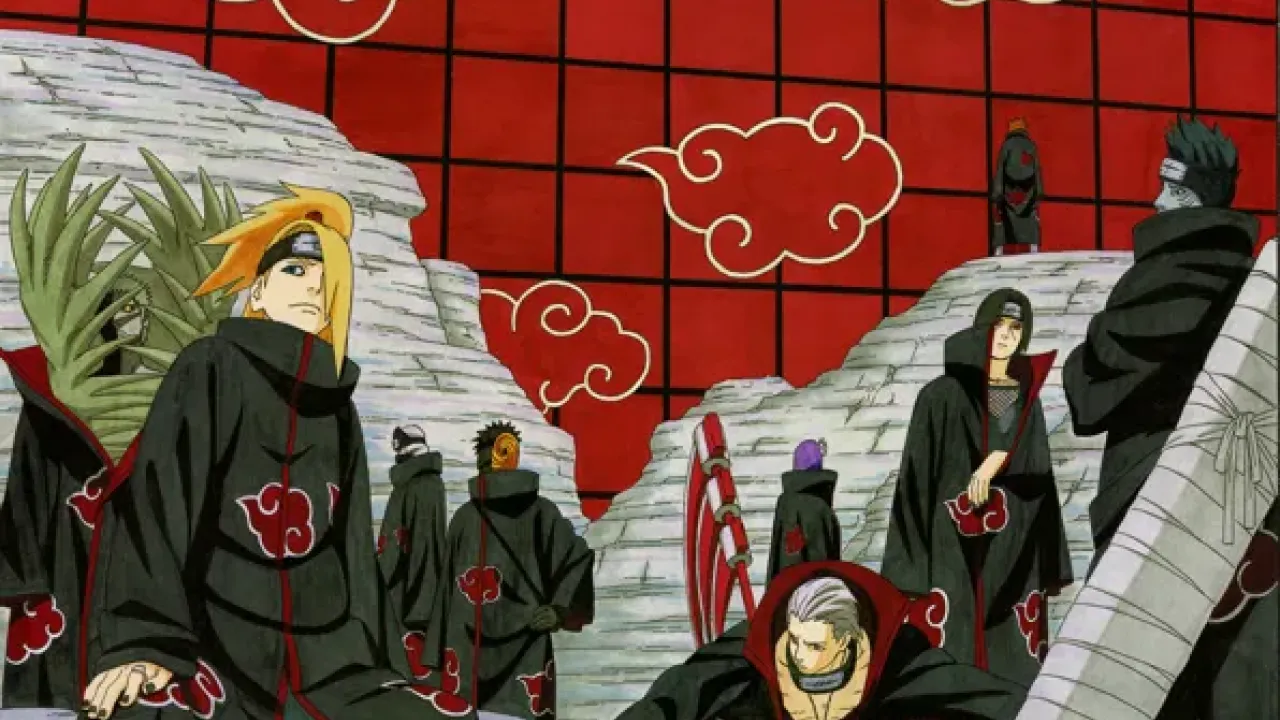
The Akatsuki is one of the most iconic villain groups in anime history, a collection of rogue ninja clad in black cloaks with red clouds, each a formidable force of nature. But beneath the surface of their terrifying power lies a story of tragedy, manipulation, and the corruption of a dream. From its hopeful beginnings in the rain-soaked villages of Amegakure to its ultimate defeat at the hands of Naruto Uzumaki, the Akatsuki's journey is a poignant tale of what happens when good intentions are twisted by pain and loss. Even in the era of Boruto, the ghost of the Akatsuki lingers, as a new antagonist attempts to don the mantle and revive the organization's fearsome legacy.
The Tragic Birth of Akatsuki
The original Akatsuki was founded by Yahiko, a passionate young ninja who dreamed of ending the constant warfare that plagued his homeland of Amegakure. Alongside his friends Nagato and Konan, and under the tutelage of Jiraiya, the three orphans formed a group dedicated to peace through non-violent means. Their belief in understanding and dialogue earned them followers and hope among the villages. However, the political landscape of the shinobi world was unforgiving. Hanzō of the Salamander, the leader of Amegakure, viewed the growing Akatsuki as a threat and conspired with Danzō Shimura to crush them. In a brutal ambush, Yahiko sacrificed himself to save Nagato, plunging the group into despair. This event would forever alter Nagato, igniting a path of pain and vengeance that twisted the Akatsuki’s very soul.
The Corruption of a Dream
After Yahiko's death, Nagato, now wielding the Rinnegan, adopted the alias Pain and took control of the Akatsuki. In his grief, he became convinced that true peace could only be achieved through overwhelming destruction—a shared experience of loss that would force nations to unite. Behind the scenes, however, an even darker presence was pulling the strings. Obito Uchiha, operating under the guise of Madara, manipulated Nagato into believing that collecting the Tailed Beasts would create a weapon capable of enforcing world peace. In reality, Obito sought to combine the Tailed Beasts to resurrect the Ten-Tails and cast the Infinite Tsukuyomi, a genjutsu that would enslave all of humanity in a dream world. The Akatsuki’s public goal of capturing the jinchuriki masked this apocalyptic ambition, and its members, each with their own twisted motivations, became instruments of a plan far larger than they knew.
The Unstoppable Roster
The Akatsuki’s strength lay in its members—S-rank missing-nin handpicked for their unique abilities. They operated in two-man teams, their complementary skills making them nearly unstoppable. Among the most memorable were Itachi Uchiha, the prodigy who slaughtered his clan, partnered with Kisame Hoshigaki, a shark-like swordsman with immense chakra reserves. The artistic duo of Deidara, who wielded explosive clay, and Sasori, a puppet master who turned humans into living weapons, brought creative destruction. Hidan’s immortality and Kakuzu’s five hearts drove the zombie combination, while Konan’s paper jutsu and her unwavering loyalty to Nagato held the emotional core. Nagato himself, controlling the six bodies of Pain, stood at the apex, with Obito’s space-time ninjutsu and Zetsu’s surveillance network completing the fearsome roster. Each member had a deeply personal reason for joining—a testament to how the ninja world’s flaws bred its own demons.
The Fall of the Organization
The Akatsuki’s decline was as dramatic as its rise. One by one, the members fell to the forces of the Allied Shinobi or their own hubris. Sasori was defeated by his grandmother Chiyo and Sakura, while Deidara self-destructed in his obsessive battle against Sasuke. Hidan was buried alive by Shikamaru’s cunning, and Kakuzu fell to Naruto’s Rasenshuriken. Itachi’s long-planned confrontation with Sasuke ended in his death, revealing the truth of his sacrifice. Nagato, as Pain, devastated Konoha but was ultimately moved by Naruto’s empathy and gave his life to resurrect the villagers. Konan perished defending the Akatsuki’s legacy against Obito, who himself was eventually revealed as a broken pawn of Madara and Kaguya’s grand design. With the defeat of Madara and the sealing of Kaguya, the Akatsuki’s shadow seemed to lift from the world. But its influence could never fully fade.
The Legacy in Boruto: Shin Uchiha’s Attempted Revival
In the era of Boruto: Naruto Next Generations, the crimson clouds resurface, albeit briefly. Shin Uchiha, a genetically modified clone obsessed with Itachi’s power, appears donning an Akatsuki cloak. Shin, along with his many identical clones, seeks to revive the Akatsuki and overthrow the established shinobi order, believing that the organization’s violence is necessary to restore evolution and strength to a complacent world. He clashes with Sasuke and Naruto, showcasing Mangekyō Sharingan abilities physically grafted into his body. Although Shin is ultimately killed by his own creations in a twist of irony, his brief rebellion underscores a chilling reality: the Akatsuki’s ideology of pain and destruction still resonates with those who feel abandoned by the system. The cloak, once a symbol of a broken dream, remains a powerful icon of dissent.
The Akatsuki’s story is a cautionary tale about the dangers of extremism born from suffering. What began as a noble quest for peace was corrupted into a machine of world domination, and even in its defeat, its legacy continues to tempt new generations. Whether through the memory of Itachi’s hidden heroism, Pain’s nihilistic philosophy, or Shin’s misguided ambition, the red clouds will always loom over the shinobi world as a reminder that peace, however fragile, must be protected from those who would achieve it through force.